- May 5
Hamstring Injuries in Sport: A Practical Guide from Elite Sport By Steve Miller, Sports Physiotherapist
- Steve Miller
- 0 comments
Hamstring injuries are hands-down one of the most common (and frustrating) issues in sport!
Whether you’re an athlete trying to stay on the pitch, or a clinician managing return-to-play decisions, understanding how and why these injuries occur is key to better outcomes... so here's what you need to know to get started!
Having worked in elite sport, I’ve seen first-hand how small details in assessment and rehab can be the difference between identifying the issue and returning to sport in an appropriate timeframe fitting for the grade and location of injury versus a recurring cycle of injury.
This quick guide aims to give you a practical, evidence-informed overview around assessment and some rehabilitation principles to ensure you're better prepared... whichever side of the injury you sit on.
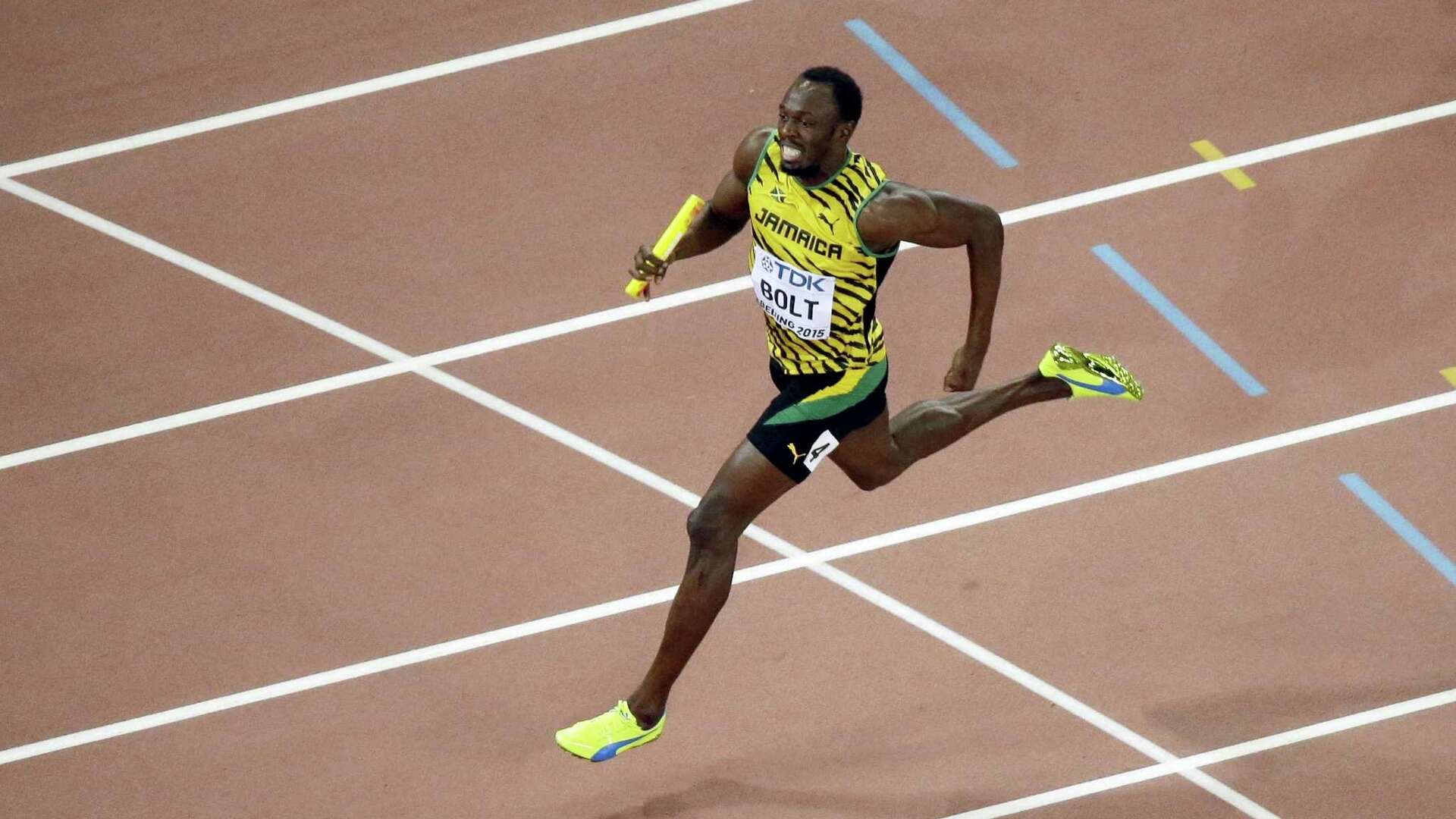
Hamstring Anatomy: A Quick Refresher
The hamstring complex consists of three primary muscles:
Lateral Hamstring
-
Biceps Femoris (long head)
Origin: Ischial tuberosity
Insertion: Head of fibula
Most commonly injured muscle in sprinting sports
Medial Hamstrings
-
Semitendinosus
Origin: Ischial tuberosity
Insertion: Pes anserinus (medial tibia)
-
Semimembranosus
Origin: Ischial tuberosity
Insertion: Posterior medial tibial condyle
These muscles cross both the hip and knee, meaning they play a role in hip extension and knee flexion, but also act eccentrically to decelerate the leg during high-speed running/sprinting (that classic 'shot in the back of the leg' feeling mechanism for injury).
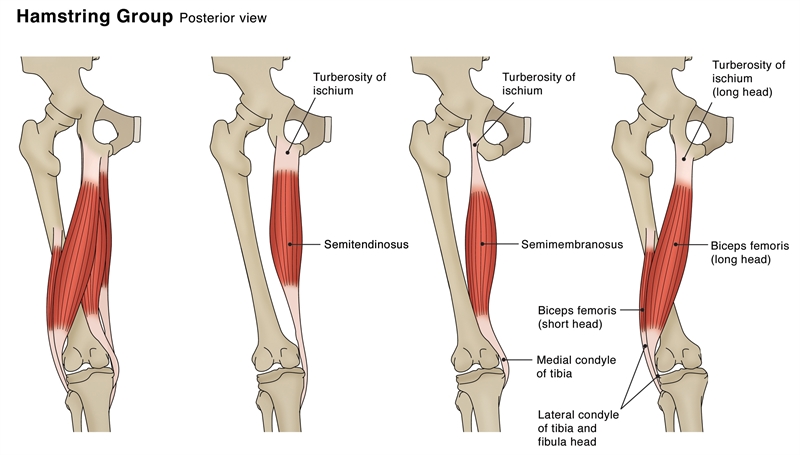
Mechanisms of Injury
Understanding how injuries occur helps guide both rehab and prevention.
1. Sprinting (High-Speed Running)
Most commonly affects the biceps femoris
Occurs during terminal swing phase
High eccentric load as the hamstrings decelerate knee extension
Typical in sports like football, rugby and athletics
2. Overstretching
More commonly affects the medial hamstrings (semi-tendinosus & semi-membranosus)
Seen in movements involving extreme ranges of hip flexion and knee extension (stretch positon)
Common in dancers, gymnasts and high kicking actions
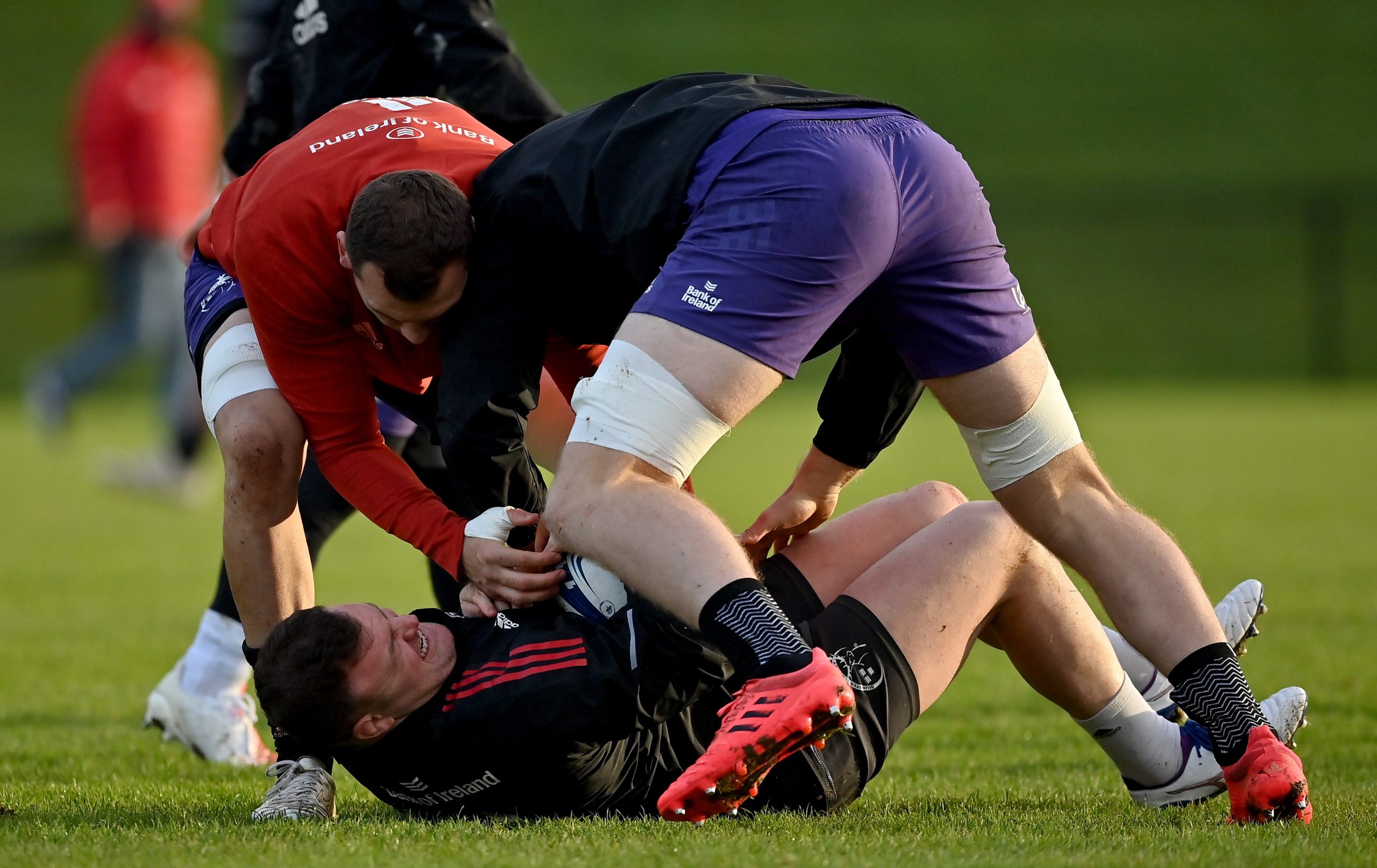
Assessment
Making the diagnosis requires a process to avoid missing the early (and fairly straightforward) signs of injury that would indicate reason to remove the athlete from training and monitor symptoms. Here are a few aspects that I look at:
Observation
Before touching the athlete, you may see:
Gait (antalgic, shortened stride)
Posture and protective movement patterns (ie reluctance to run above 70% speed)
Swelling, fullness or bruising (only visiable in higher-grade tears such as high grade 2 and above)
Palpation
Try to be targeted and systematic with you palpation:
Identify exact pain location characterised by exquisite pain on palpation (rather than a line of tightness/tautness that feels like a bungee cord)
-
Assess along:
Proximal tendon (ischial tuberosity)
Muscle bellies
Distal insertions
-
Helps differentiate:
Muscle vs tendon involvement
Medial vs lateral structures

Range of Motion (ROM)
Looking for both limitation in range and often symptom reproduction (tears don't typically like being stretched!):
Active knee extension
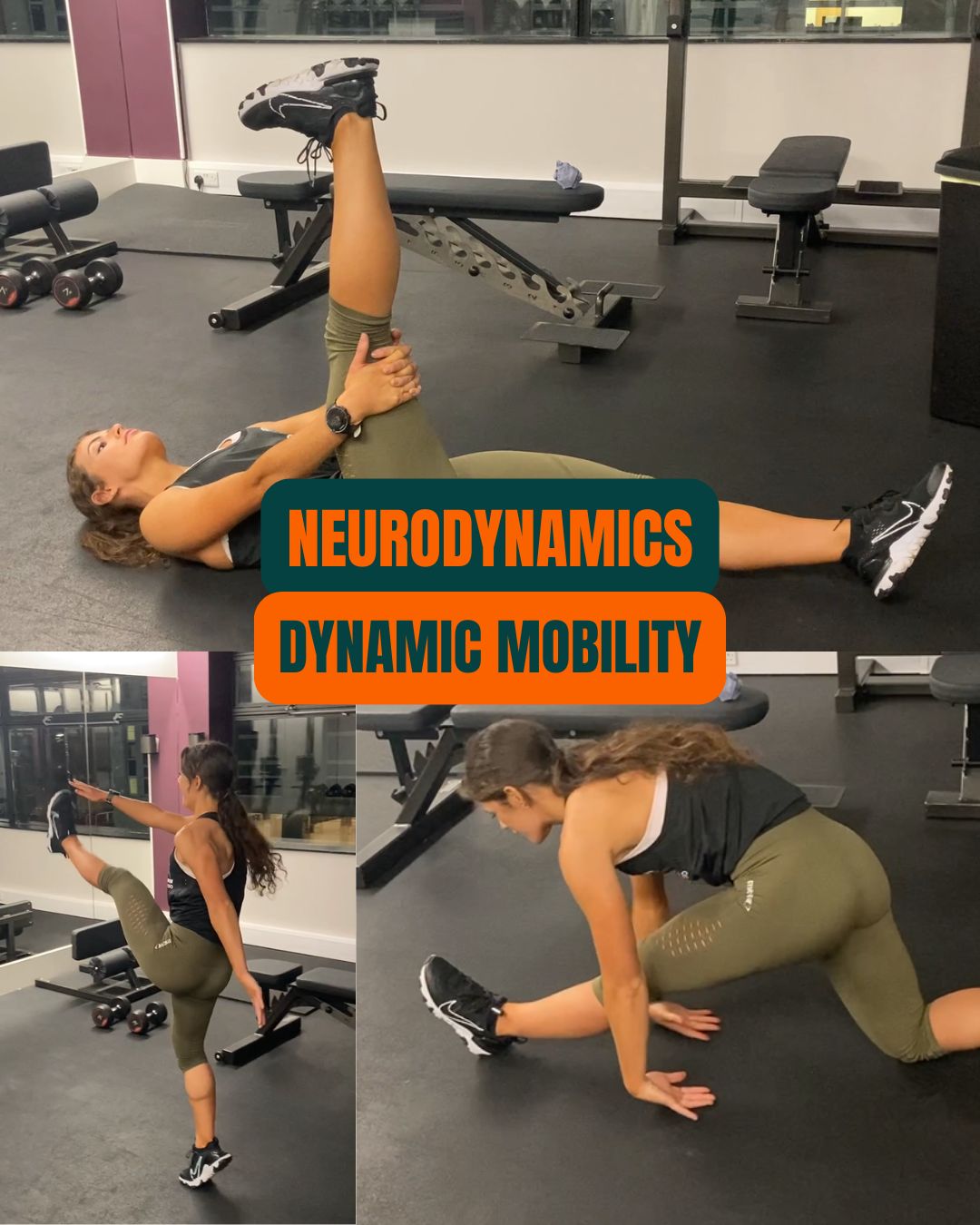
Passive straight leg raise (SLR)... ensure you screen the lumbopelvic region and neurodynamics for other causes
Bent knee stretch test
Key findings:
Pain at end range
Asymmetry between limbs
Protective muscle guarding
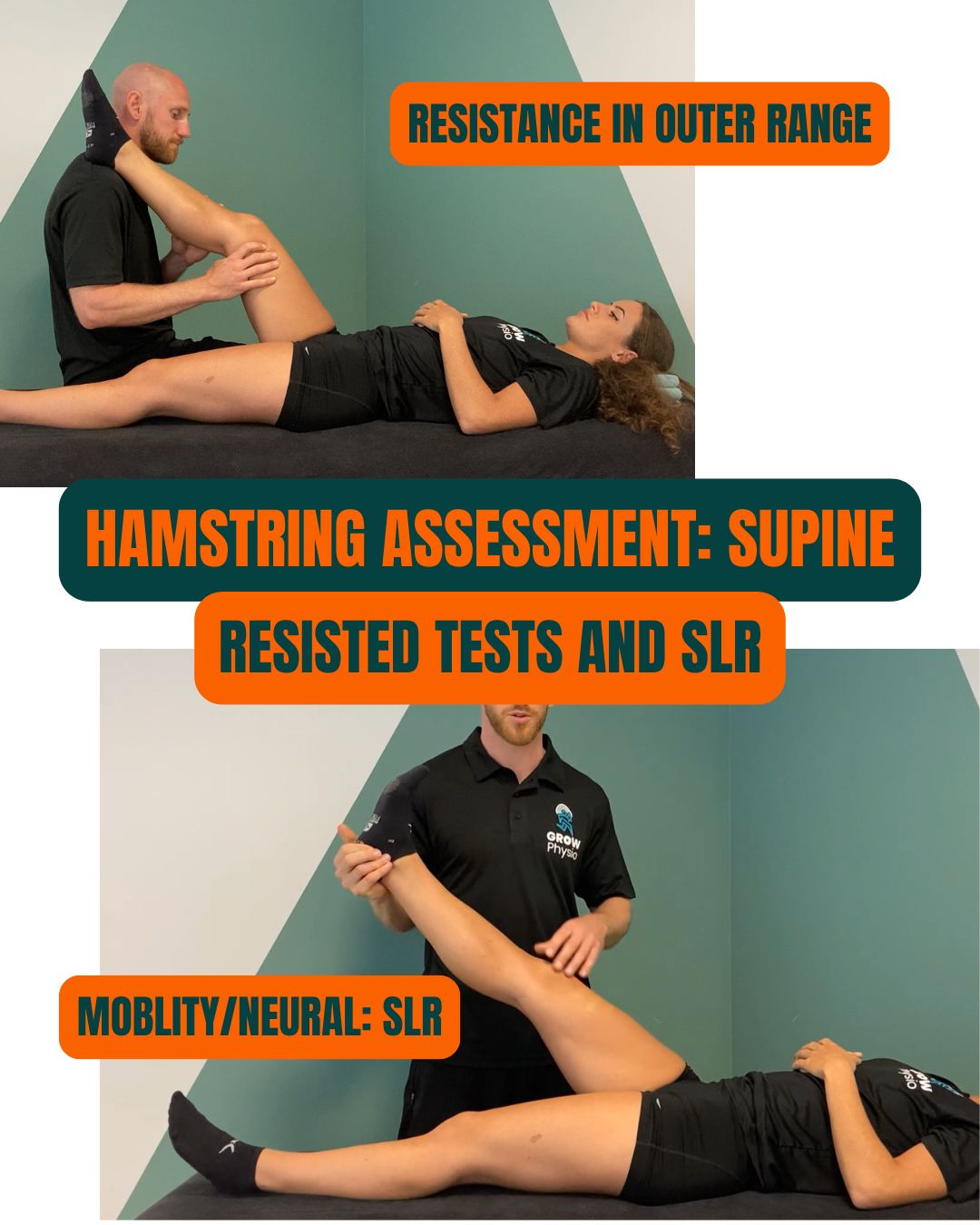
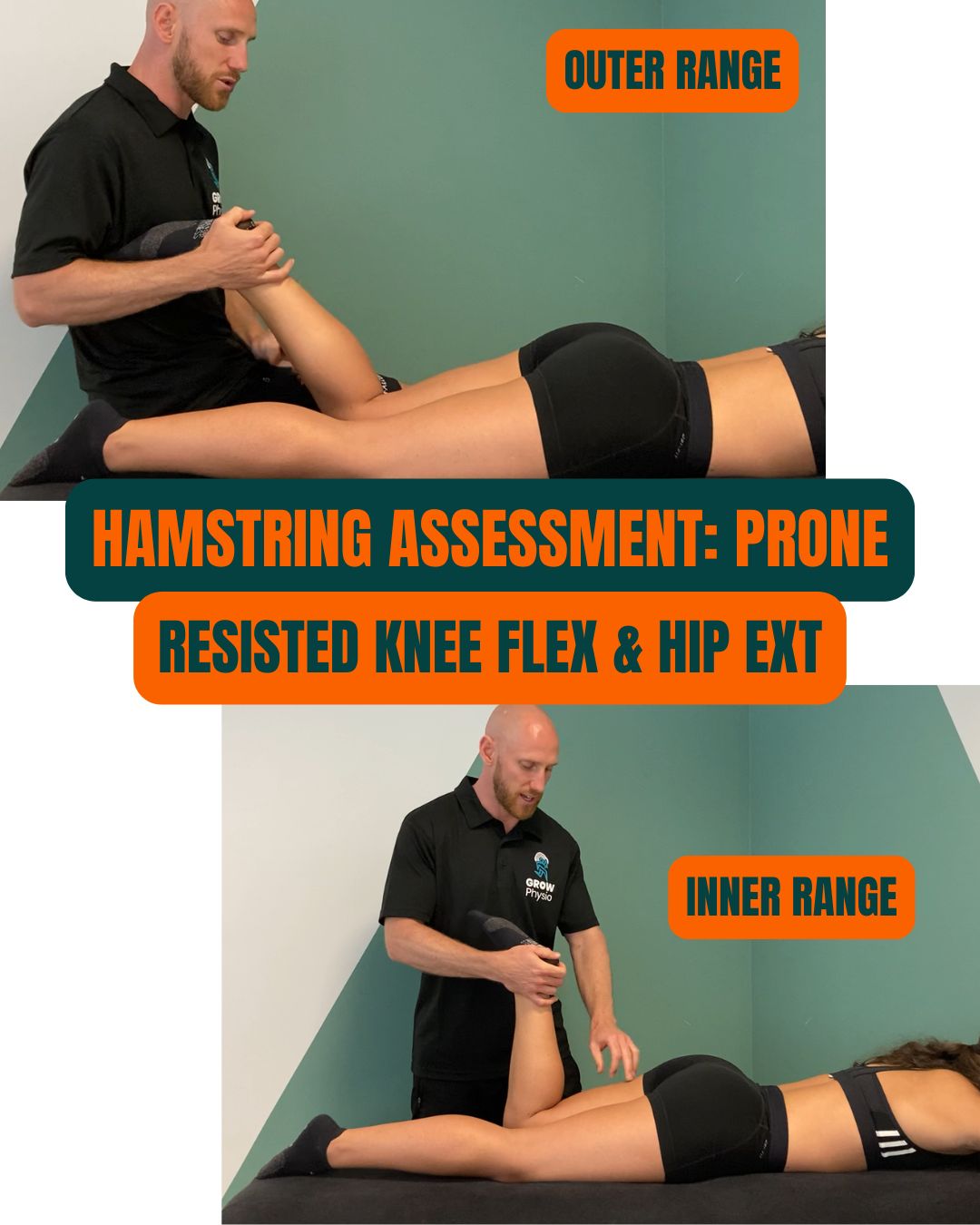
Strength Testing
Crucial for grading severity:
Isometric knee flexion (at different angles: outer range usually more painful)
Prone or seated testing
-
Compare sides for:
Pain & location
Weakness (grade as a %)
Inhibition
More severe injuries show:
Reduced force output
Pain with contraction (especially lengthened positions)
Functional Testing
Bridges the gap between clinic and sport:
Double → single leg bridge: Consider different knee angles for distal hamstring bias
Hip hinge patterns (e.g. RDL movement): Proximal bias
Early-stage running (only if appropriate)
You’re assessing:
Load tolerance - low tolerance may indicate a tear
Movement quality - is there some adaptation/protective patterning
Confidence - in both parties before safely returning to live sport/training
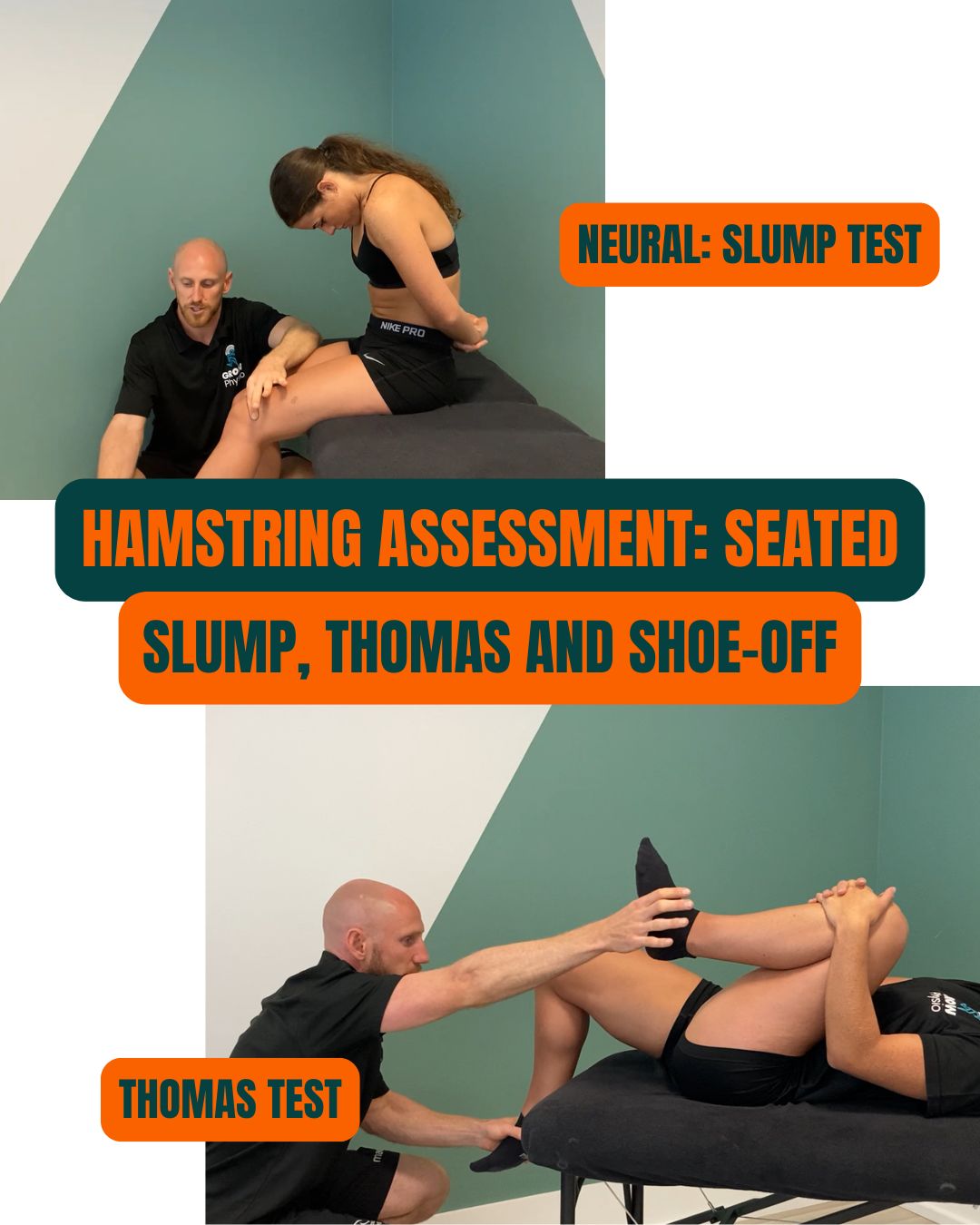
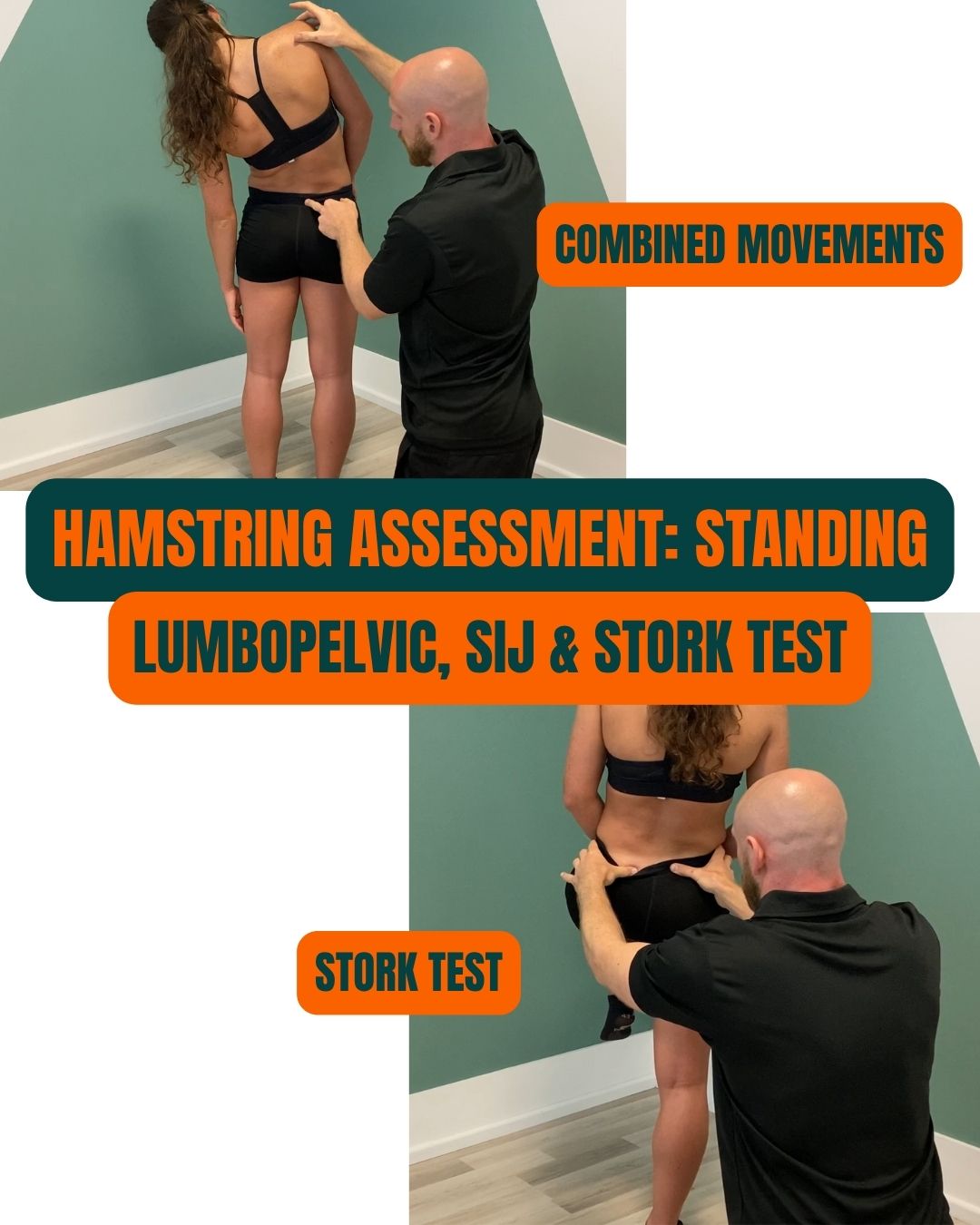
7. Special Tests: Neurodynamics, SIJ & Anti-Rotation Asymmetries
Used to increase diagnostic confidence or possible contributing factors:
Resisted knee flexion in lengthened position
Slump test / neural assessment (to rule out neural contribution)
Proximal tendon loading tests (for tendinopathy)
Classification of Hamstring Injuries
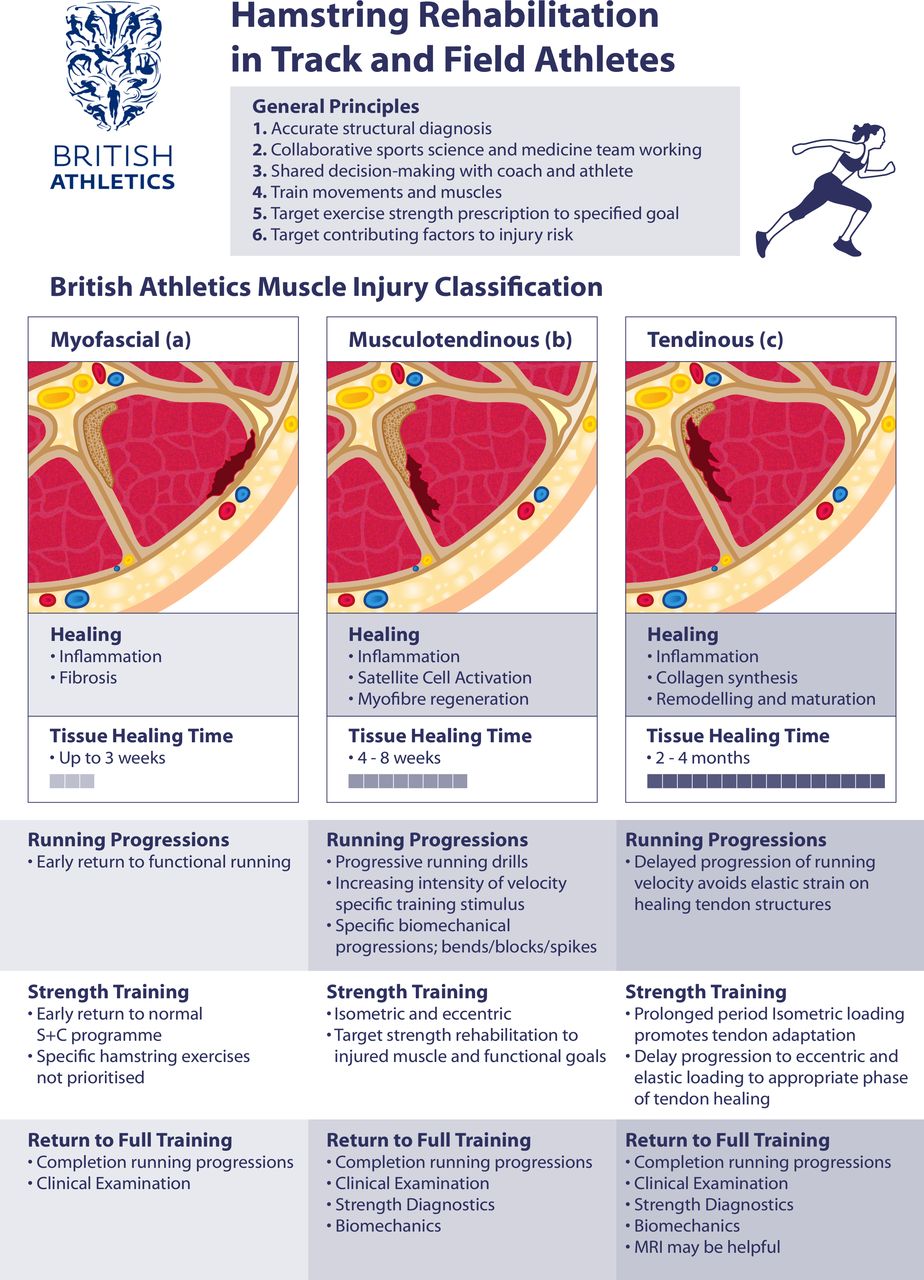
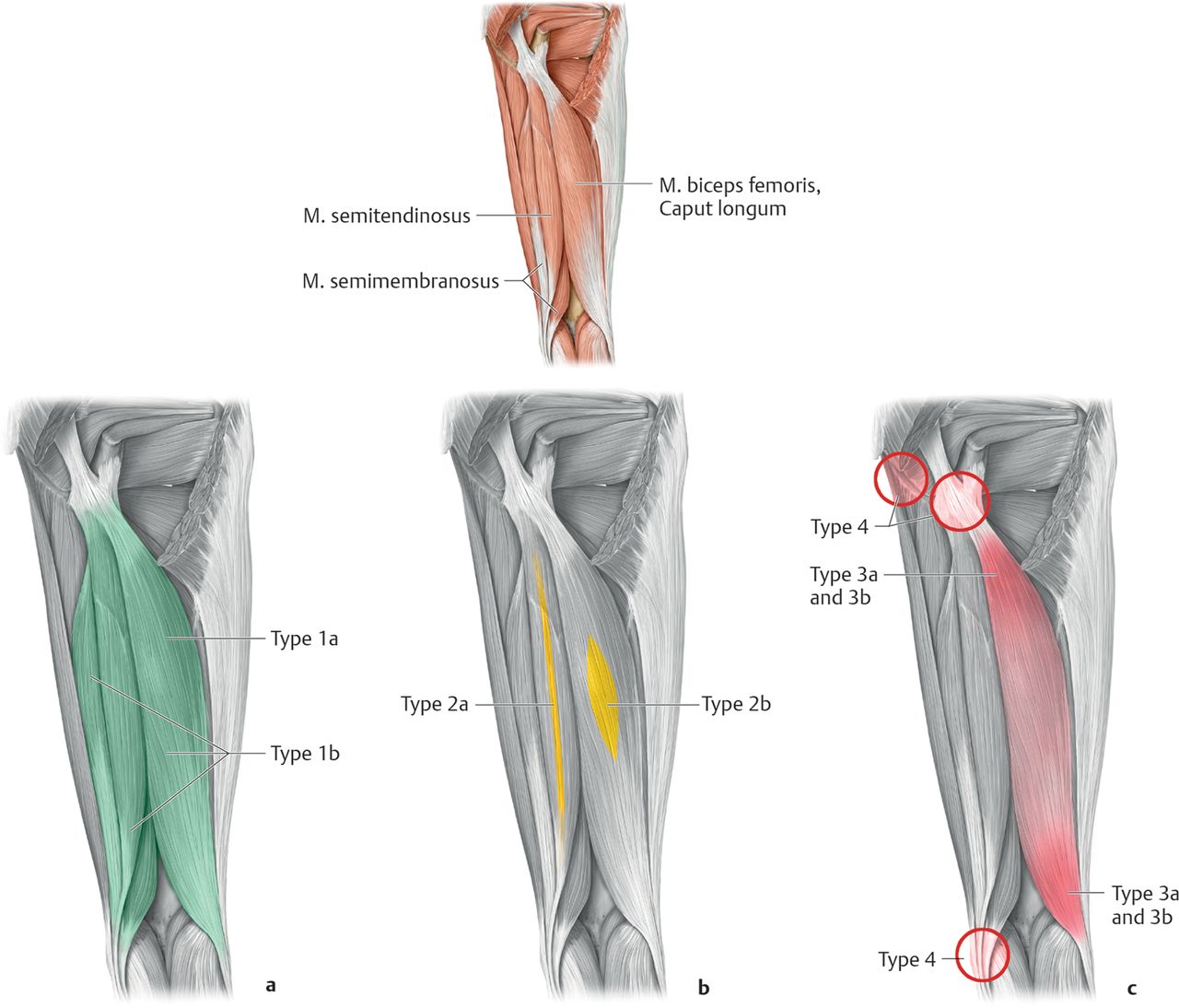
A simple and widely used classification is outlined below and linked to the British Athletics Muscle Classification. It may be appropriate to arrange an MRI to ascertain the exact degree of tear and location as this will have a significant bearing on the duration. Deep tendon or aponeurosis injuries will add considerable time/weeks onto the return... or you'll get bitten by re-tears even if the athlete reports no pain in rehab (trust me on this one!)
Tightness / Fatigue-Related
No structural damage
Often early warning signs
Can progress if ignored
Grade 1 (Mild)
Small number of fibres disrupted
Minimal strength loss
Usually 1–3 weeks recovery
Grade 2 (Moderate)
Partial tear
Pain, weakness, and reduced function
Typically 3–8+ weeks recovery
Grade 3 (Severe)
Complete rupture
Significant loss of function
May require surgical consideration
Avulsion Injuries
Tendon pulls away from the bone (often at ischial tuberosity)
Longer recovery timelines
Surgical intervention more common in elite sport
The Role of Tendons (Often Overlooked)
Not all hamstring injuries are purely muscular.
Proximal Tendinopathy
Pain near the sitting bone
Often chronic and load-related
Intramuscular Tendon Involvement
“Deep tendon” injuries within the muscle
Particularly relevant in biceps femoris
-
Associated with:
Longer rehabilitation times
Higher recurrence risk
These injuries require careful load progression and often extend time on the sidelines beyond what imaging alone might suggest.
Rehabilitation: A Staged Approach
Rehab should be planned: targeted, progressive, criteria-driven > time-based and incremental in their build up with options to progress or even regress exercises as your athlete presents and reacts/responds to rehab. Don't be shy about checking in and using markers such as sit and reach / toe touch to monitor any tightening up of the hamstrings... particularly as they return to running!
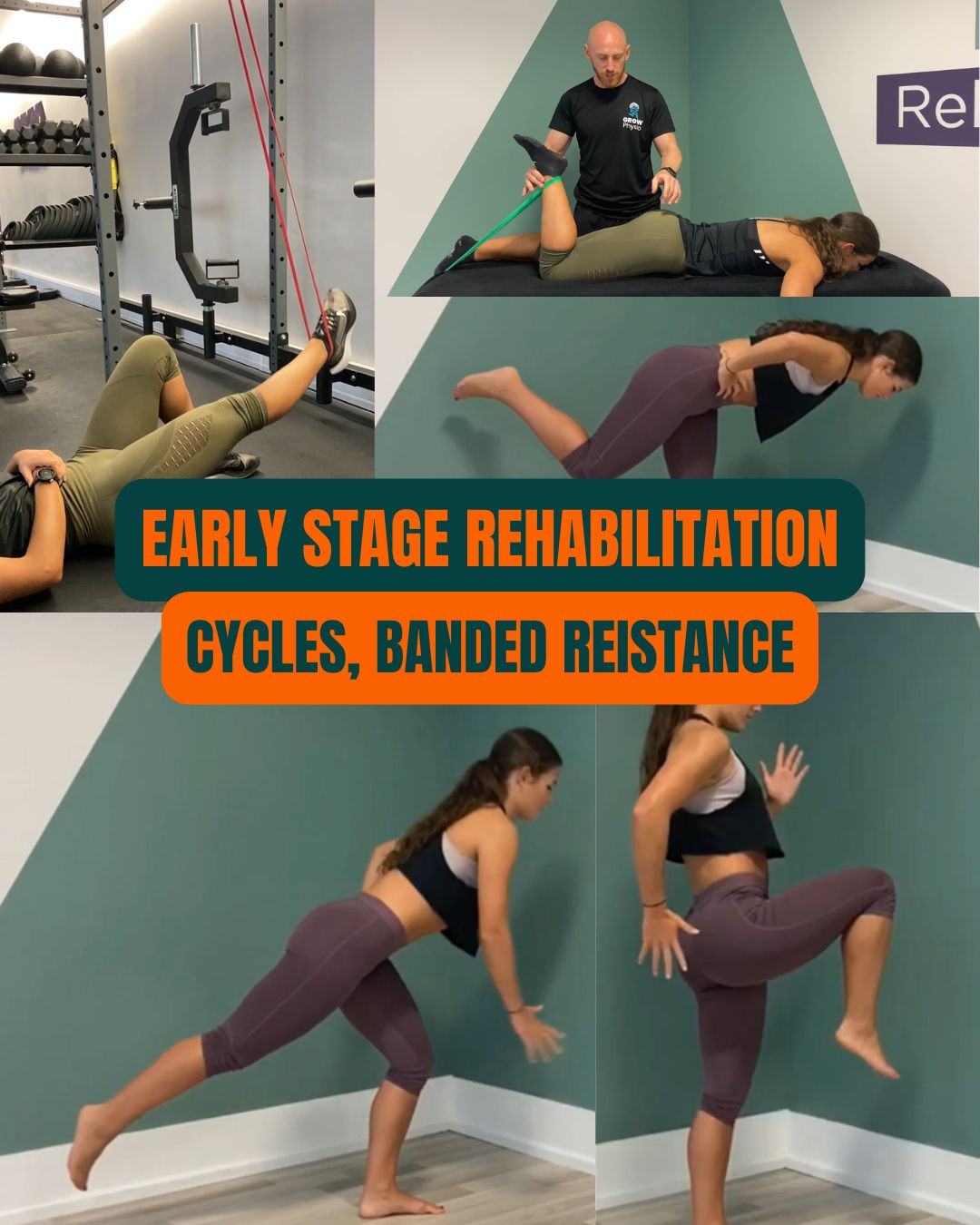
Early Stage (Protection & Activation)
Goals:
Reduce pain
Maintain muscle activity
Examples:
Isometric hamstring holds (e.g., heel digs)
Glute bridges
Low-load range of motion work
Mid Stage (Strength Development)
Goals:
Restore strength through range
Begin eccentric loading
Examples:
Romanian deadlifts (RDLs)
Swiss ball hamstring curls
Split squats
Progression into eccentric-focused exercises

Late Stage (High-Speed & Sport-Specific)
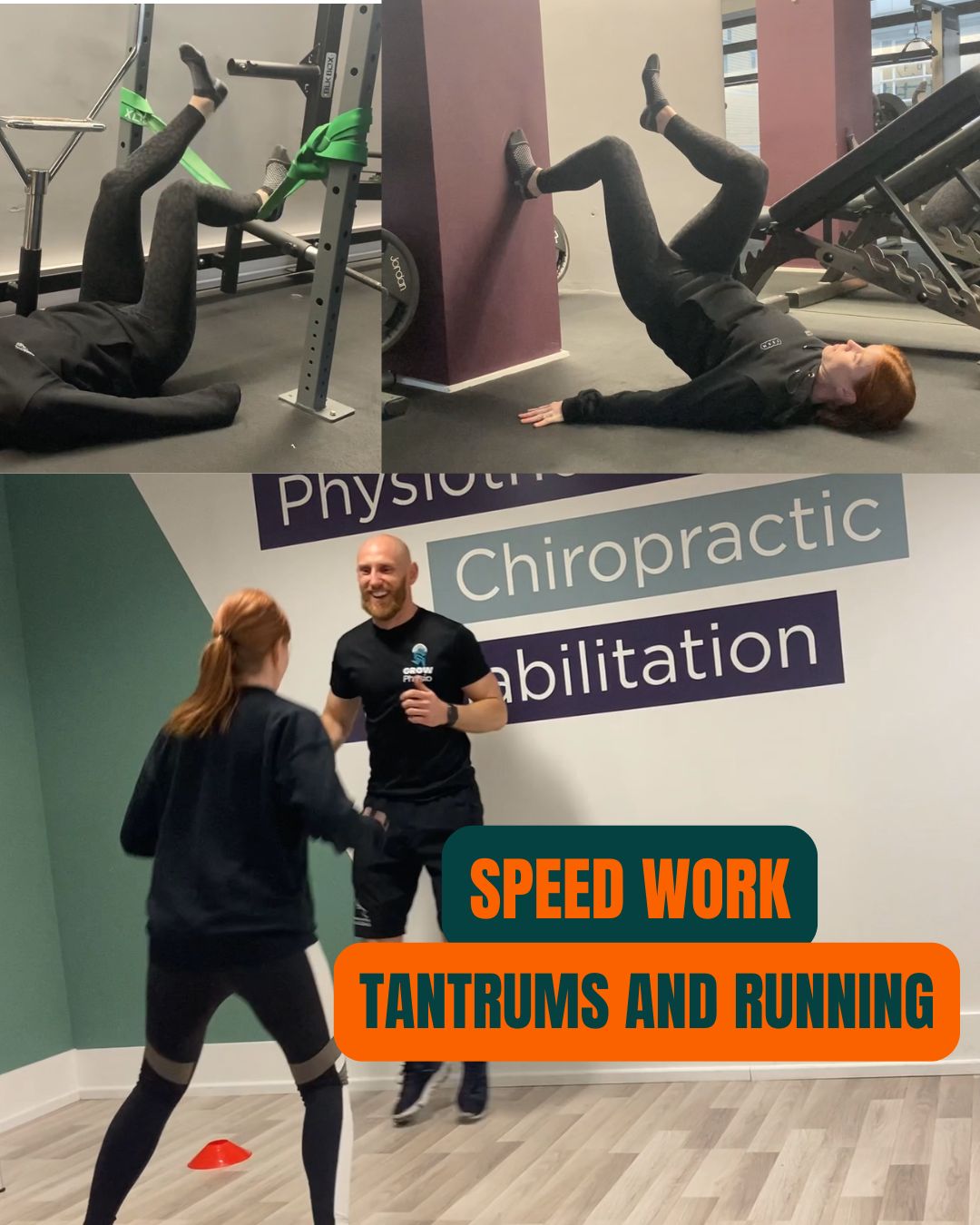
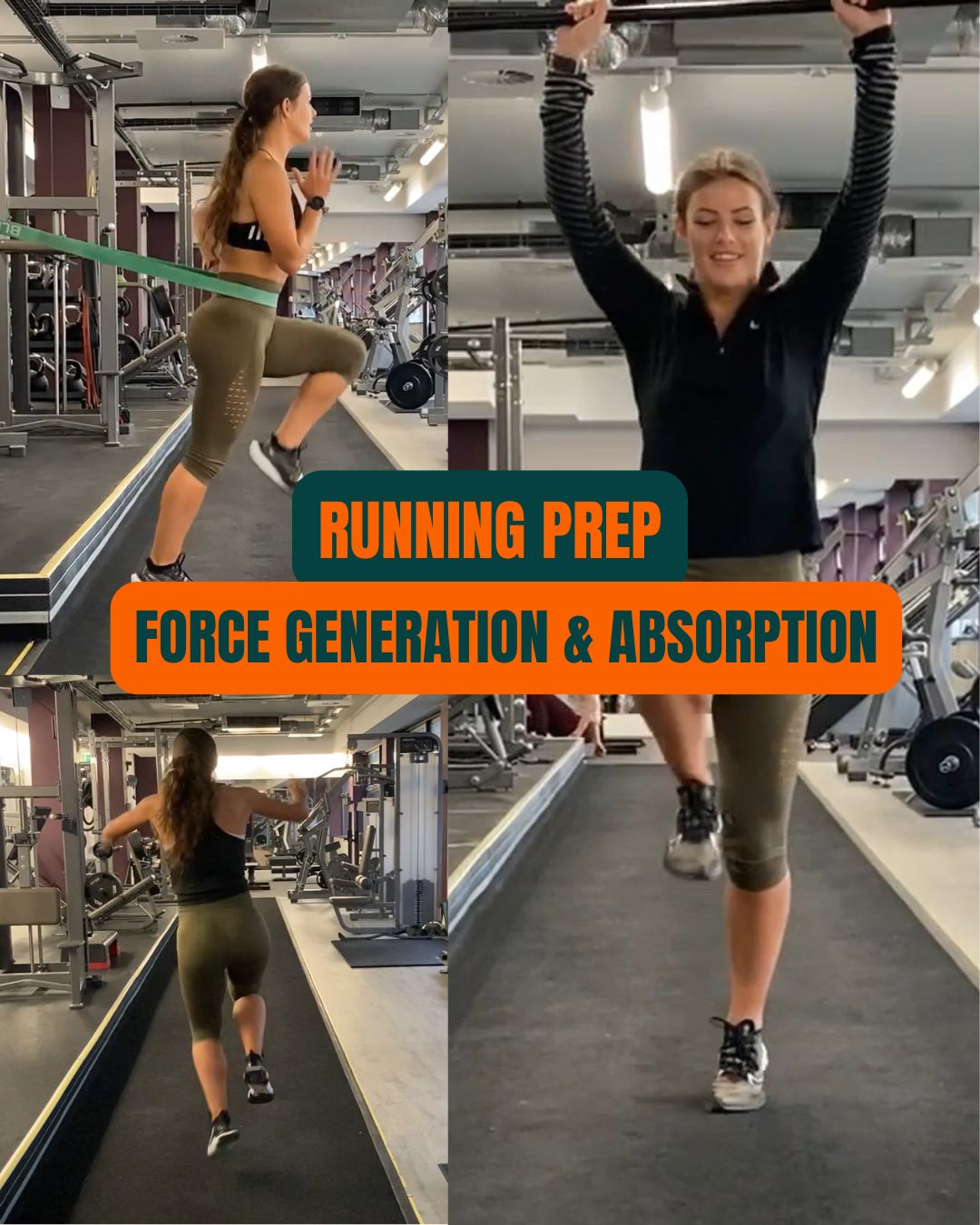
As the athlete prepares to return to high speed running, accelerations/decelerations and change of direction at speed, please take into account that 0-70% speed uses approx 30% of the biceps femoris capacity whereas the last 70-100% speed uses the other 70% so incrementally building running is crucial to prepare the tissues appropriately.
Goals:
Prepare for sprinting and sport demands (be creative to match their sport/positional requirements)
Build resilience under load and capacity so they can perform under fatigue
Build Physical and Psychological readiness to return
Examples:
Nordic hamstring curls
High-speed running drills
Acceleration & deceleration work
Plyometrics and change of direction
Return to Running & Sport: Key Criteria
While protocols vary, commonly used criteria include the following:
Pain-free maximal or near-maximal sprinting
Symmetrical strength (within ~10%) on objective testing
Full range of motion without apprehension
Completion of sport-specific drills at game intensity
No increase in symptoms during or after training exposure
Return-to-play decisions should always consider context, including sport demands, injury history, and timing within the season.
Final Thoughts
Hamstring injuries are rarely just about the hamstring. They’re influenced by sprint mechanics, strength deficits, fatigue and load management. Factor in enough recovery and explore the muscle groups that can help influence the pelvis such as inner range hip flexor strenght, obliques for anti-rotational control and don't forget to expose them to speed and intensity before they return!
The key takeaway... rehabilitation must be progressive, individualised and specific to the demands of the sport.. and you can mimic most of these in rehabilitation with the help of the athlete, coaches, strength and conditioning and rehab specialists if you just ask!
Soooo if you’re an athlete, physio, or sports therapist looking to deepen your understanding and improve outcomes, investing in structured education can make a huge difference.
Further Learning Opportunities
If you want to watch these in video format and explore hamstring injuries in more detail and clarity, head to Grow Physio Academy via: 👉 growphysioacademy.com where you'll also be able to tap into a library of wider injury management options.
Struggling with hamstring injuries or want to level up your rehab skills? Join us for an in-depth, practical session led by expert Steve Miller!
📅 Tuesday 19th May 2026
⏰ 18:00 – 20:15
💻 Live via Zoom

🔍 What you’ll gain:
✅ Evidence-based rehab strategies
✅ Practical tips you can apply immediately
✅ Insights from an experienced clinician
✅ Live learning from the comfort of your home
Not enough and want to dive into the game-changing hamstring online course in 5 simple steps, check out more via the hamstring e-course here: 👉 https://www.growphysioacademy.com/courses
Thanks for reading and feel free to reach out with any questions to steve@growphysioacademy.com

To a world with Happier Hamstrings!
Steve Miller
Sports Physiotherapist & Founder of Grow Physio Academy